The Gray Lady
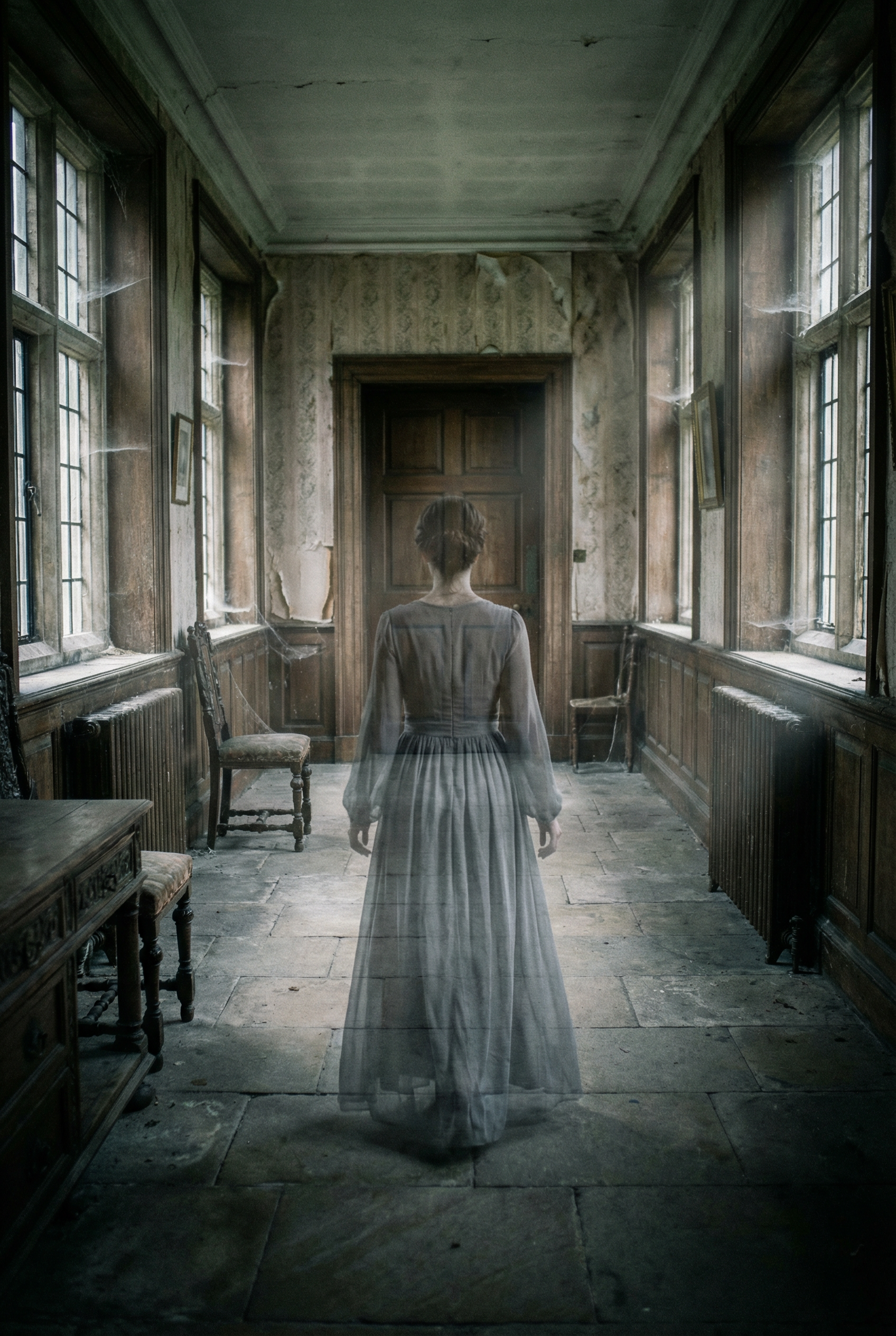
The Gray Lady is one of the most widely reported ghosts in the English-speaking world. She appears as a woman in a gray or silver dress, often seen at windows, in long corridors, or walking the grounds at twilight. Although “Gray Lady” is a common name for many local spirits, the figure described here is the one associated with the old manor tradition of the east counties and the stories collected in our archives.
History and Identity
Attempts to identify the Gray Lady with a historical person vary by region. In some accounts she is a noblewoman who died of grief after the loss of a child; in others, a servant or governess who took her own life after a scandal. What unites the stories is the color of her dress—gray or dull silver—and her habit of appearing in the same places again and again: a particular staircase, a bedroom door, or a path in the garden.
She is rarely described as threatening. Witnesses often speak of a sense of sadness or preoccupation, as if she is looking for something or someone. Some report that she fades when approached or turns a corner and is gone. Footsteps, the rustle of fabric, and a drop in temperature are commonly mentioned in conjunction with her appearances.
Where She Appears
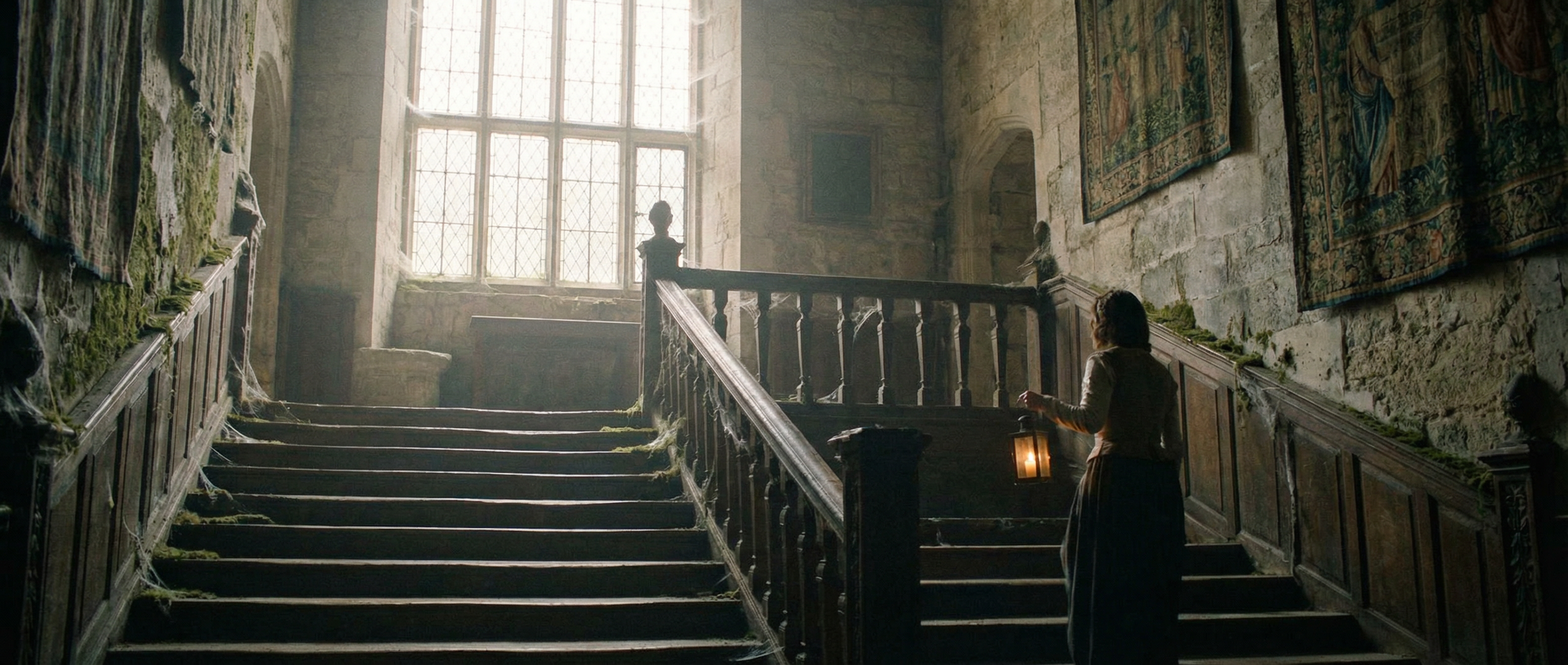
The Gray Lady is most often linked to large houses: manor houses, rectories, and former convents. The east wing or the “ladies’ wing” is frequently cited, as are gardens, especially at dusk or in the early evening. She has also been reported in libraries and in rooms that were once nurseries or sewing rooms.
Seasonal patterns are sometimes noted: more sightings in autumn and around certain anniversaries, though this may reflect the habits of observers as much as the spirit. We do not endorse any particular theory of why ghosts appear; we record the reports and leave interpretation to the reader.
In Story and Folklore
The Gray Lady has inspired countless tales, from local ghost stories to poems and short fiction. She often serves as a guardian or a warning—appearing before a death in the family or before a change in the household. In other versions she is simply a presence, a reminder that the past still walks the same floors as the living.
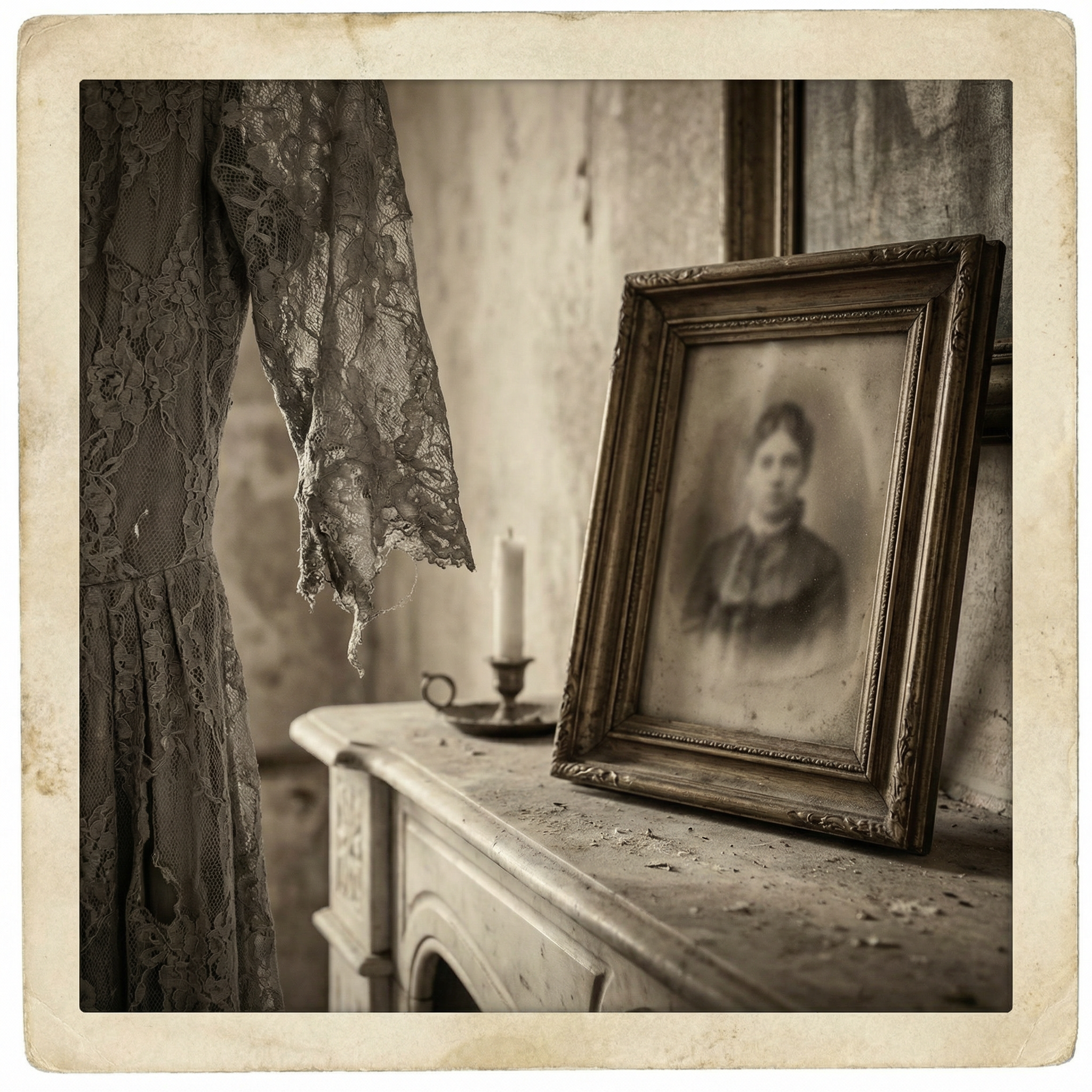
We recommend reading “Tale of the Gray Lady” in our Stories section for a narrative treatment of this figure. For a broader look at how such spirits are understood in our lore, see “The Veil” and “Haunted Places.”
The Gray Lady remains one of the most enduring images of the gentle, sorrowful ghost—neither malevolent nor fully at rest, forever walking the border between memory and the present.
Encounters and Testimony
Over the years we have received many letters from people who believe they have seen the Gray Lady. Common details include a figure that does not respond to speech, that passes through or vanishes at a door, and that leaves behind a feeling of cold or stillness. A number of witnesses mention the smell of lavender or old fabric, though we do not know whether this is a genuine part of the phenomenon or a trick of suggestion.
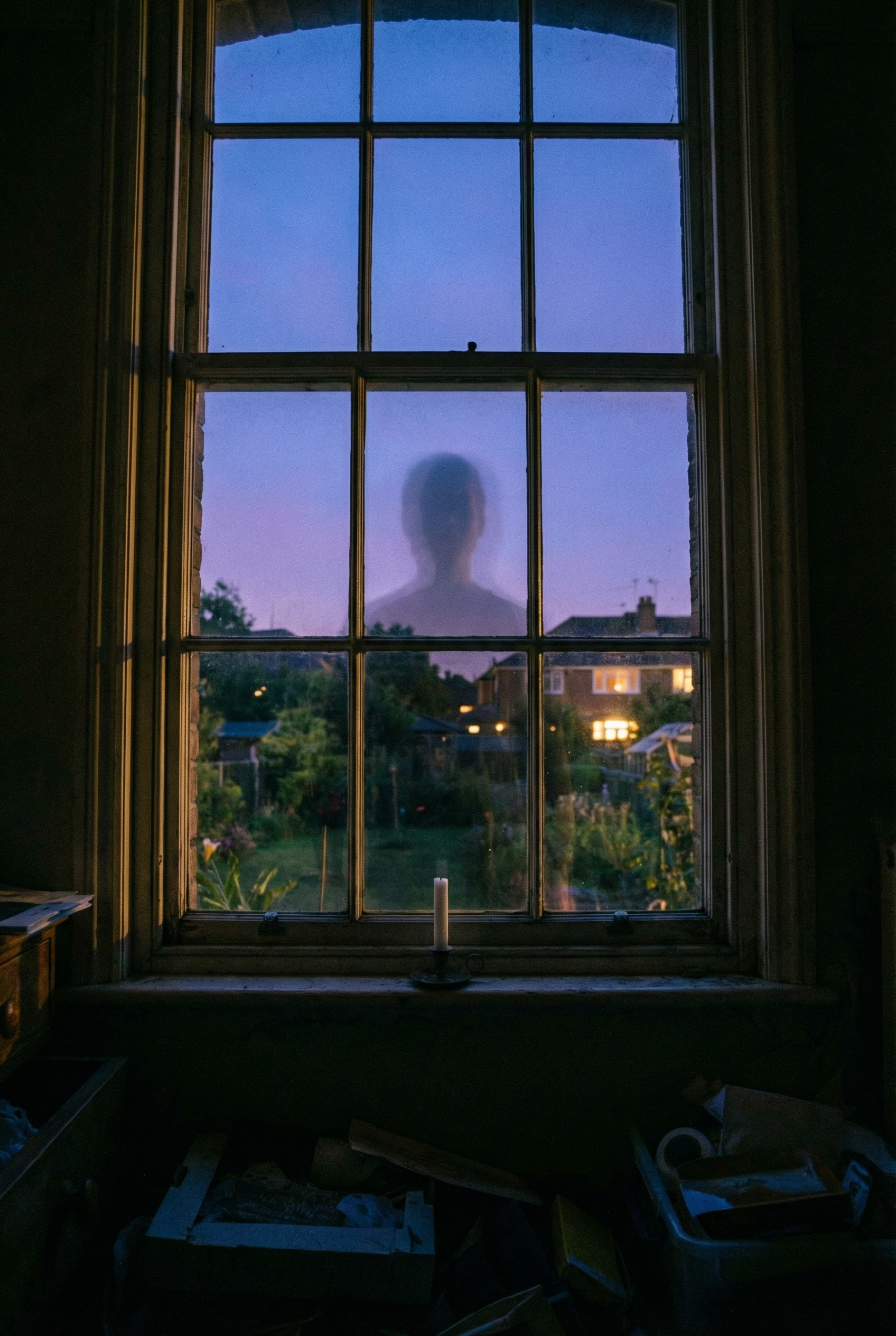
We do not verify or debunk individual accounts. We present them as part of the ongoing record. If you have seen something that matches the description of the Gray Lady, you may contact us; we accept anonymous submissions and do not share personal details.